


KITALI CERTIFIED
SKU: KIT43939
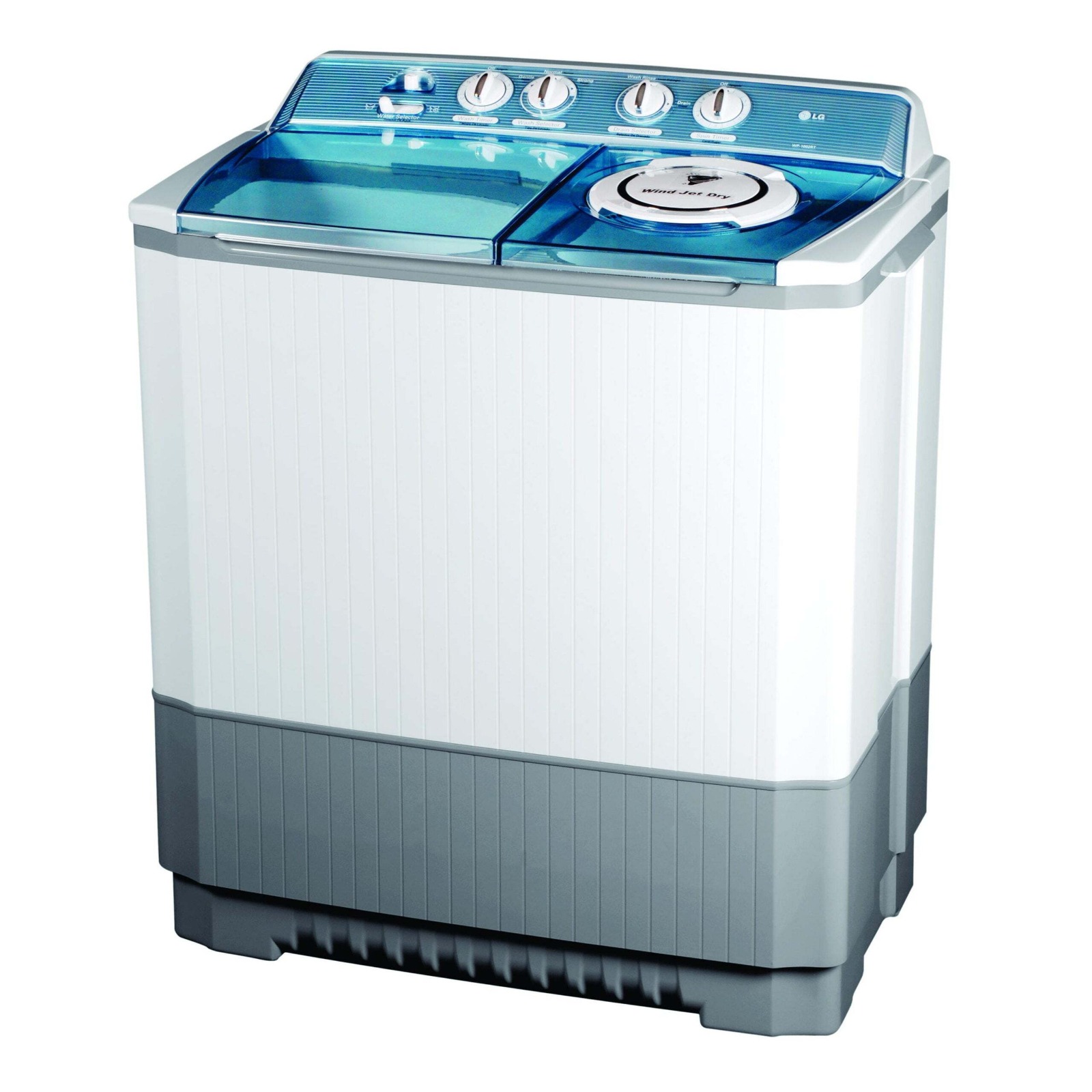
AUTOMATIC WASHING MACHINE
KSh41,000
KSh76,500
Save KSh35,500
Inclusive of all VAT and applicable local taxes
In Stock
Delivery & Store Pickup
Choose free store pickup in Nairobi or select your county for courier delivery rates.
Pickup at RNG is always free. Select a county to compare courier rates.
Pickup at RNG
KSh0
Description
The invention of the automatic washing machine revolutionized the way people wash their clothes. Before its introduction, laundry was typically done by hand using a washboard or by taking clothes to a communal laundry facility. The manual labor involved in washing clothes was time-consuming and physically demanding.
\n
\nThe first patent for a washing machine was granted to Nathaniel Briggs in 1797. However, it wasn't until the early 1900s that electric-powered washing machines became commercially available. These early models were still semi-automatic, requiring manual intervention for certain tasks such as filling water or draining it.
\n
\nIt wasn't until the mid-20th century that fully automatic washing machines were introduced. These machines incorporated various features to automate the entire washing process. They eliminated the need for manual intervention and made laundry much more convenient for users.
\n
\nA fully automatic washing machine typically consists of several key components:
\n
\n1. Drum or Tub: This is the main compartment where clothes are placed for washing. It is usually made of stainless steel or plastic and has small holes to allow water to pass through while retaining the clothes.
\n2. Agitator or Pulsator: This component is responsible for creating motion within the drum to agitate the clothes and remove dirt and stains. In traditional top-loading machines, an agitator with fins is used, while front-loading machines use a pulsator or tumbling action.
\n3. Water Inlet: Automatic washing machines have one or more water inlet valves that allow water to enter the drum. These valves are controlled by electronic sensors or timers.
\n4. Detergent Dispenser: Most modern washing machines have built-in detergent dispensers that release detergent at the appropriate time during the wash cycle. This ensures proper distribution of detergent and enhances cleaning efficiency.
\n5. Water Pump: The water pump is responsible for draining water from the drum after each wash cycle. It pumps the dirty water out through a drain hose connected to a plumbing system or a dedicated drain.
\n6. Motor: The motor powers the various mechanical components of the washing machine, such as the drum, agitator, and water pump. It provides the necessary rotational motion and power for the machine to function.
\n7. Control Panel: The control panel is where users can select different wash programs, adjust settings such as temperature and spin speed, and monitor the progress of the wash cycle. It may include buttons, knobs, or a digital display.
\n
0
Average Rating
(0 Review)
0%
0%
0%
0%
0%
To give a review, you need to login first.
LoginProduct Reviews
This product has no reviews.
Let others know what do you think and be the first to write a review.

AUTOMATIC WASHING MACHINE
KSh41,000